On July 1st, the State of Western Australia banned non-recyclable plastic bags and Coles and Woolworths supermarkets, the two largest, made an early move to remove them from their checkouts a day earlier but at the same time they put up for sale, at 15 cents, for the customers who "forgot their shopping bag", beautiful large size plastic bags, but the complaints of the consumers were such that until 15 August 2018 the bags will be for free, at least so says Woolworths. At the same time, Australian supermarkets have also reassured customers that plastic trash bags are being sold, which will replace the gray ones that normally ended their life with that function ... Other paid plastic ... We do not know what the asinine one thinks but wakeful citizen wonders if all this has not been simply designed to increase the profit of supermarkets, also because it wasn’t unnoticed that just a few weeks before the ban of the bags, Coles and Woolworths introduced "plasticized" vegetables, such as cucumbers individually wrapped in beautiful transparent plastic, a real luxury… Where is the real desire to defeat the pollution generated by plastic bags when selling plasticized cucumbers? However, in supermarkets there are more and more products wrapped or packed in plastic, although this is not necessary ... If there was a real desire to reduce the pollution from plastic bags, which have created real plastic islands in the oceans and that are inadvertently eaten by fish and animals that die of it, supermarkets would have re-introduced the paper bags, just as it once was. But paper does not benefit the oil industry ... From a strategic point of view, it should be noted that the steps of the supermarkets in Australia have had a State trend, in the sense that the elimination of the bags did not take place at the federal level but because of the continuous protests of consumers, State by State and this clearly shows the lack of interest in the impact of plastic on the environment. All this seems more just a political issue and profit, otherwise they would have eliminated the plastic bags throughout the Australian territory at the same time and, as anticipated, they would have simply replaced with paper bags. Widening the question of bags, plastic certainly has enormous advantages, as it allows the creation of objects at very low price but the problem is the disposal of it, that is not a novelty and it is global. Already in the '70s the citizens had very well understood the harmfulness of that material towards the environment, what is now evident is that if for about half a century it was not possible to find a solution, it must be thank especially the oil industry.
Matteo Cornelius Sullivan
Ultimi Articoli

Ilze Brands Kehris nominata rappresentante speciale dell’UE per i diritti umani
Milano, il progetto STEP per il lavoro di 250 giovani: presentazione il 20 ottobre

Cucina italiana ad Atene, la Lombardia partecipa con quindici consorzi

Youth and Future a Palazzo Reale: le parole dei giovani diventano opere d’arte

Fibra ottica in provincia di Como: 145 comuni nel Piano Bul, oltre 144.000 immobili attivabili

Leone, il neonato ritrovato a Cinisello Balsamo respira senza supporto

Gaza, dalla Lombardia altri 150mila euro per acqua e assistenza agli sfollati
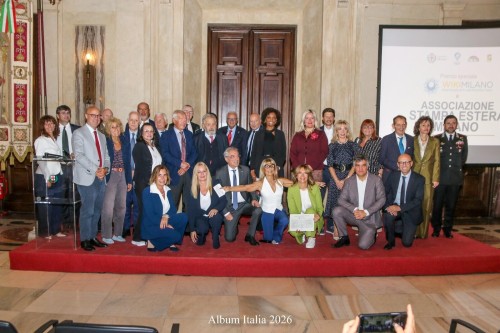
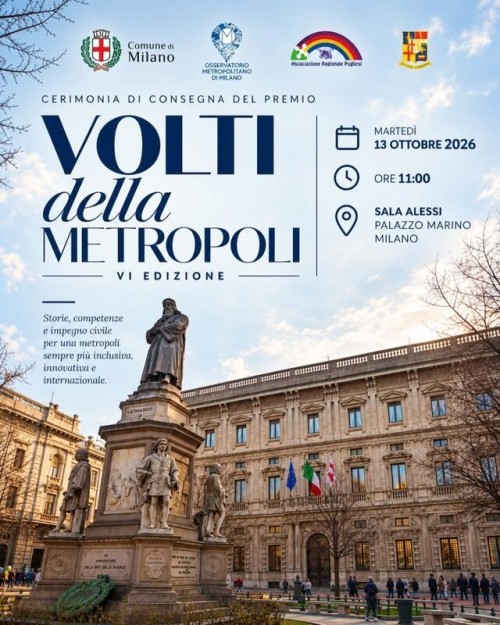
Milano premia i suoi protagonisti: a Palazzo Marino otto “Volti della Metropoli” che raccontano il futuro della città

Premio Volti della Metropoli: a Palazzo Marino i riconoscimenti alla VI edizione