Fish like flash, researchers have discovered. Give a male stickleback some shiny baubles and he'll decorate his nest with them - females prefer males with colourful abodes.
In the lab, males' favourite knick-knacks seem to be red foil sticks, report ecologists Sara É“stlund-Nilsson and Mikael Holmlund of the University of Oslo in Norway - they offered the fish blue beads, and blue and silver foil sticks, as well as the red ones 1.
Females spent nearly 90% of their time inspecting gaudy nests rather than plain ones. In the wild, male three-spined sticklebacks (Gasterosteus aculeatus) weave tunnels from pondweed or twigs. Females lay their eggs in these tunnels, and tend them until they hatch.
In the mating season, healthy males' bellies turn deep red, and females choose ruddy males. By building with the same colour, males could be creating "an out-of-body ornament", speculates Iain Barber of the University of Wales in Aberystwyth, UK.
Barber has found that female stickleback also prefer neat nests ”€ compact structures with few loose ends. Males keep their nests neat by making a glue that they use as cement; tidy nests show that a male has a plentiful supply, and so is in good health.
Decoration might also advertise a male's ability to build and maintain a nest. Male sticklebacks try to steal ornaments from their neighbours, and predators attack nests, making conspicuousness risky. Alternatively, baubles could signpost the way in.
Many male fish build nests for their offspring, but sticklebacks are the first to be shown departing from a utilitarian blueprint. The finding should inspire people to look at other species, says Carl Smith of Queen Mary and Westfield College, London. "It may be a more general phenomenon."
The champion decorator of the animal kingdom is the bower bird. Males build complex, highly decorated structures that have no purpose other than to impress females. "No fish builds anything like a bower," says Barber.
References
É“stlund-Nilsson, S. & Holmlund, M. The artistic three-spined stickleback ( Gasterosteous aculeatus ). Behavioral Ecology and Sociobiology , published online, doi:10.1007/s00265-002-0574-z (2003). |Article|
Articoli Correlati


Ultimi Articoli

Ilze Brands Kehris nominata rappresentante speciale dell’UE per i diritti umani
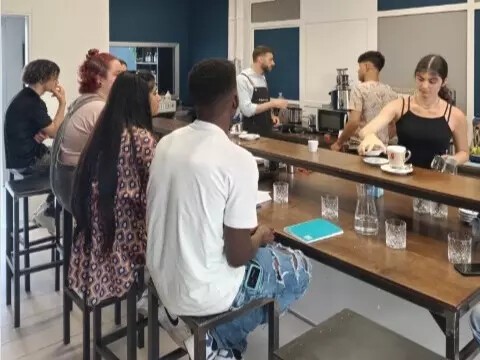
Milano, il progetto STEP per il lavoro di 250 giovani: presentazione il 20 ottobre
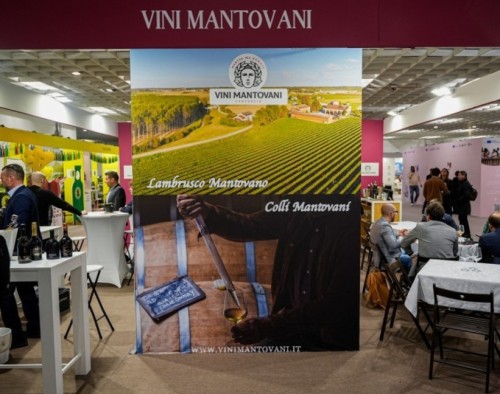
Cucina italiana ad Atene, la Lombardia partecipa con quindici consorzi
Youth and Future a Palazzo Reale: le parole dei giovani diventano opere d’arte

Fibra ottica in provincia di Como: 145 comuni nel Piano Bul, oltre 144.000 immobili attivabili

Leone, il neonato ritrovato a Cinisello Balsamo respira senza supporto

Gaza, dalla Lombardia altri 150mila euro per acqua e assistenza agli sfollati
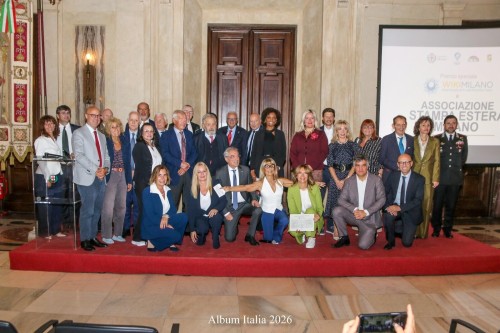
Milano premia i suoi protagonisti: a Palazzo Marino otto “Volti della Metropoli” che raccontano il futuro della città

Premio Volti della Metropoli: a Palazzo Marino i riconoscimenti alla VI edizione