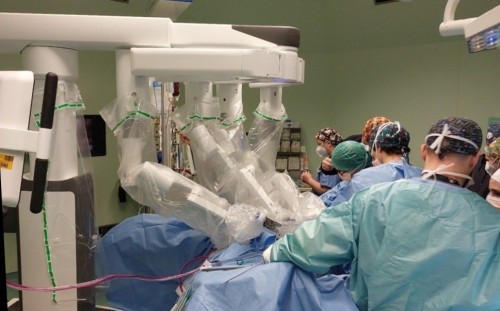
November 17 marks a milestone in the fight against sickle cell disease, with the approval by the Food and Drug Administration (FDA) of the innovative gene treatments Casgevy and Lyfgenia. These represent the first cell-based gene therapies for the treatment of sickle cell disease in patients aged 12 and older. A significant step forward, especially as #Casgevy uses CRISPR/Cas9 genomic editing technology, opening new horizons in gene therapy.
The Problem: Sickle Cell Disease and Its Assault on Red Blood Cells:
Sickle cell disease, an inherited disorder affecting approximately 100,000 people in the United States, involves a mutation in hemoglobin, the protein in red blood cells responsible for transporting oxygen to the body's tissues. This mutation causes a sickle shape in red blood cells, restricting blood flow in vessels and triggering painful vaso-occlusive events or crises. Recurrent crises can lead to severe disabilities or even early death.
The Genetic Revolution: Casgevy and Lyfgenia:
Casgevy, a cell-based gene therapy, stands out as the first FDA-approved therapy using CRISPR/Cas9 technology. This approach modifies patient hematopoietic stem cells, increasing fetal hemoglobin production and preventing the formation of sickle-shaped red blood cells.
Lyfgenia, another cell-based gene therapy, uses a lentiviral vector for genetic modification. This therapy is approved for patients with sickle cell disease and a history of vaso-occlusive events. Lyfgenia modifies blood stem cells to produce HbAT87Q, a gene-derived hemoglobin that reduces the risk of sickle-shaped red blood cell formation.
Both treatments use the patient's blood stem cells, modified and reinfused in a single infusion as part of a hematopoietic stem cell transplant.
Efficacy Assessment:
Data shows that Casgevy successfully prevented vaso-occlusive crises in over 93% of treated patients. Common side effects include low platelet and white blood cell levels, but overall, the treatment has been well-tolerated.
Lyfgenia demonstrated an 88% complete resolution rate of vaso-occlusive crises. However, it's essential to note a higher incidence of hematologic malignancies in patients treated with Lyfgenia, emphasizing the need for long-term monitoring.
Future Implications and Conclusions:
The approval of Casgevy and Lyfgenia represents a significant advancement in gene therapy for sickle cell disease, paving the way for more targeted and effective treatments. These successes underscore the FDA's commitment to facilitating the development of safe and effective therapies for conditions with severe impacts on human health.
MEDIA CALL: FDA Approves First Gene Therapies to Treat Sickle Cell Disease – 12/08/2023Technical Glossary:
- CRISPR/Cas9: Genomic editing technology enabling precise DNA cutting in targeted areas.
- Hematopoietic: Related to blood formation.
- Lentiviral Vector: Genetic delivery vehicle based on lentivirus.
- Vaso-occlusive: Blood vessel blockage.
- Hematopoietic Stem Cells: Cells differentiating into various blood cells.
#SickleCellDisease #GeneTherapy #Casgevy #Lyfgenia #FDAApproval
Sickle Cells and Sickle Cell Disease: An In-Depth View
Sickle cells result from a genetic mutation affecting hemoglobin, the oxygen-transporting protein in the blood. In sickle cell disease, an inherited genetic disorder, a specific mutation in the beta subunits of hemoglobin leads to the formation of abnormal hemoglobin known as hemoglobin S (HbS).
Hemoglobin S causes the deformation of red blood cells into a sickle shape instead of the normal biconcave shape. These sickle cells are less flexible and can impede blood flow through vessels, causing episodes of acute pain and organ damage. These episodes, known as vaso-occlusive crises or VOCs, represent one of the main and debilitating symptoms of sickle cell disease.
Sickle Cell Disease: The Condition and Its Impacts:
Sickle cell disease, also known as sickle cell anemia, is an inherited genetic disorder that affects hemoglobin in the blood. The mutation responsible for the disease is inherited from both parents, who are healthy carriers of the genetic mutation. The prevalence of sickle cell disease varies among populations, with a higher incidence among people of African, African-American, Caribbean, and South Asian descent.
Statistical Data on Sickle Cell Disease:
| Population | Prevalence |
|---|---|
| African Americans | 1 in 365 births |
| Asians and Indians | 1 in 1,000-1,400 births |
| Caucasians | Rarely affected |
Sources: Information provided is based on clinical data published by the #FDA
In conclusion, the approval of these gene therapies represents tangible hope for those facing sickle cell disease. With a steadfast commitment to research and the development of innovative solutions, we are making giant strides in transforming the lives of those living with this debilitating condition.