London: (V. E. Pareto IV e Marcos Pompeu Pareto) The spiral of higher oil prices that is occurring currently is mostly caused not by the lack of reserves, but by increasing demand on the existing supply. However, increase of supply would only temporarily attenuate the issue, as demand is expected to continue to soar and eventually outstrip the reserves of fossil fuels, which combined account of almost all our present energy sources. It is not that fossil fuels will disappear, but rather the certainty that they will become progressively scarcer and definitely more expensive as time goes by, has become an irreversible and well established trend.
The cost increase of a critical resource - energy - will force unforeseen changes in production and in distribution of goods, affecting the whole productive matrix - including employment. Not only new products and distribution systems based on higher energy costs will need to be conceived and implemented but especially the current reliance on fossil fuels - oil, gas and coal - will need to be replaced almost entirely by sustainable sources - an extraordinarily complex enterprise that should consume our efforts in the next 40 years. Energy consumption will be further aggravated by the expected 2.3 billion population increase from now to 2050, which is expected to be almost entirely concentrated in the urban centres of Asia, Latin America and Africa. Since these additional urban spaces are still to be developed, urban development strategies that consider higher energy costs could effectively alleviate the transition period from fossil fuels to sustainable sources.
Rather than providing a recipe for urban planning, this paper stresses the need for further research to incorporate the energy cost component with the urban development context and the dissemination of information on this matter. (“Social Science Research Network” http://papers.ssrn.com/sol3/papers.cfm?abstract_id... )
Articoli Correlati



Ultimi Articoli

Milano — “Gente di facili costumi” al Manzoni, ritmo vivo e dialoghi che tengono la scena
Triennale Milano apre la Design Week con mostre, incontri e laboratori
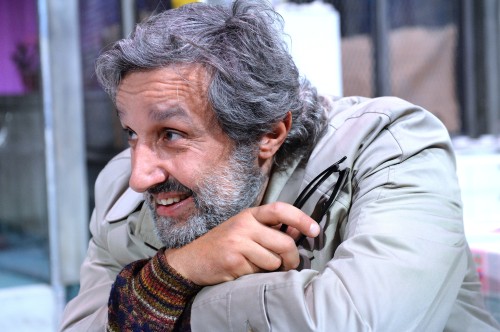
GENTE DI FACILI COSTUMI al Teatro Manzoni di Milano

Milano: George Foreman, la sua storia arriva in libreria con DIO AL MIO ANGOLO

Arisa torna con Foto Mosse — il nuovo album esce il 17 aprile

“È intelligente… ma non studia!”: ridere, ricordare, crescere

Italia–Giappone: Vincenza Palmieri porta lo Specialista della Famiglia al Paese del Sol Levante — la rete dei Diritti Umani si allarga
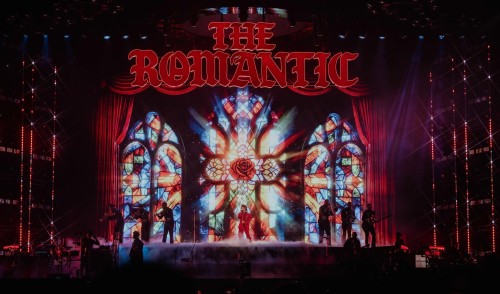
Bruno Mars accende Las Vegas — The Romantic Tour debutta con sold-out e la città gli intitola una strada

Gerry Scotti apre il Festival della TV di Dogliani — quindicesima edizione dal 29 al 31 maggio 2026