All three of the airport's runways were rendered unusable in the airstrikes and as a result the airport was closed, a senior Lebanese aviation official said.
Israel Defense Forces said it targeted the airport's runways because the airport served as a central hub for the transfer of weapons and supplies to Hezbollah.
Lebanese Interior Minister Ahmed Fatfat called the airport strikes a "general act of war," saying they had nothing to do with Hezbollah, but was instead an attack against the country's "economic interests," especially its tourism industry.
Flights have been diverted to nearby Cyprus, the aviation official said. (Watch first reports on runway bombings -- 6:00)
Israeli airstrikes also targeted Hezbollah's al-Manar television station in Beirut's southern suburbs, a Lebanese security source said. Despite the strike, al-Manar continued to broadcast, the source said.
'Severe response'
The strikes came hours after Israel’s Cabinet authorized a "severe and harsh" response to the abduction of two soldiers and declared Lebanon's government responsible for their safe release.
Israeli artillery and airstrikes have been pounding Hezbollah targets in southern Lebanon after a cross-border raid Wednesday that left three Israeli soldiers dead in addition to the two captives. Four more Israelis died in an attack on their tank during the clashes, and another died as soldiers went to their aid, the Israeli military said.
The cross-border fighting continued Thursday, with numerous Katyusha rocket strikes in the northern Israeli town of Nahariya, according to CNN's John Vause. He said buildings near the hotel he was staying in have been damaged and people injured.
Thursday's casualties throughout northern Israel totaled 22, including one woman killed and 15 injured in the Nahariya rocket attack, according to the IDF.
The Lebanese security source said 26 to 27 people had been killed in Lebanon since the fighting began, including a number of civilians.
IDF said its strikes have been targeting locations within or adjacent to heavily populated areas that Hezbollah uses for storing rockets and weapons. An IDF spokesman said Hezbollah is responsible for placing the storage sites in areas that would put civilians at risk.



Ultimi Articoli

Milano — “Gente di facili costumi” al Manzoni, ritmo vivo e dialoghi che tengono la scena

Triennale Milano apre la Design Week con mostre, incontri e laboratori
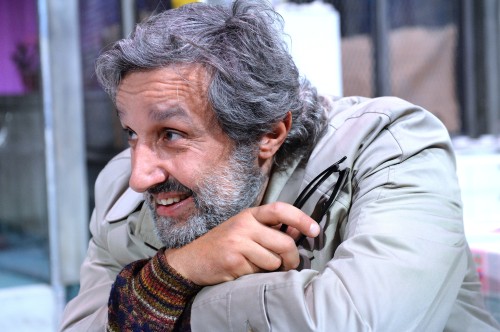
GENTE DI FACILI COSTUMI al Teatro Manzoni di Milano

Milano: George Foreman, la sua storia arriva in libreria con DIO AL MIO ANGOLO

Arisa torna con Foto Mosse — il nuovo album esce il 17 aprile

“È intelligente… ma non studia!”: ridere, ricordare, crescere

Italia–Giappone: Vincenza Palmieri porta lo Specialista della Famiglia al Paese del Sol Levante — la rete dei Diritti Umani si allarga

Bruno Mars accende Las Vegas — The Romantic Tour debutta con sold-out e la città gli intitola una strada

Gerry Scotti apre il Festival della TV di Dogliani — quindicesima edizione dal 29 al 31 maggio 2026