The own-initiative report by Roberta Anastase (EPP-ED, RO) on the Black Sea region is a response to the Commission's communication on Black Sea Synergy. The Parliament is not satisfied by the progress made since the last such communication, published in 1997, and calls for a "genuine regional dimension tailored to this area," with "concrete proposals for fostering regional cooperation." It underlines the importance of involving Russia and Turkey in any regional cooperation efforts, and supports the creation of a free trade area in the region.
The House approves the doubling of financial resources under the ENPI (European Neighbourhood Policy Instrument) for cross-border projects, and notes a number of priority fields in which cooperation is necessary. These include the EU's role in overcoming the unresolved conflicts in the region, the creation of "new infrastructure and viable transport corridors diversifying both suppliers and routes" for energy and the tackling of environmental problems in the region, especially in the Black Sea and the Danube delta.
South Caucasus
Lydie Polfer's (ALDE, LU) report on the South Caucasus calls for a differentiated approach to the three countries of the region, asking the Commission to "not ignore the three states' particular characteristics." It calls for a feasibility study to evaluate the possibility of a free trade agreement with Georgia and Armenia, underscores the importance of supporting and empowering civil society and developing people-to-people contacts and specifically urges all countries to "strengthen the representation of the parliamentary opposition in their delegations" to the Parliamentary Cooperation Committees with the European Parliament.
With respect to the individual states, the report calls for "further efforts to be made in establishing an independent judiciary, in promoting reforms in the police, the civil service and local government, in fighting corruption and in creating a vibrant civil society" in Armenia. It "reiterates its serious concern about the deterioration of the human rights situation and media freedom in Azerbaijan," and "expresses deep concern over the recent developments in Georgia." On this topic, the Parliament "expresses its satisfaction that the overall assessment by the International Election Observation Mission" was positive, notes that "this election was the first genuinely competitive Presidential election" in Georgia, but calls on Georgian authorities to address the shortcomings noted in the preliminary report of election observers before the parliamentary elections to be held this spring.
Frozen conflicts
MEPs also addressed the issue of frozen conflicts in the region, noting that they reject "all attempts by foreign powers aimed at creating exclusive spheres of influence," while also urging the states in the region to "stop the increase in their military spending.". The House "reiterates its unconditional support for the territorial integrity and inviolability of the internationally recognised borders of Georgia," as well as taking the view that "further delay in the settlement of the Nagorno-Karabakh conflict will not benefit either of the sides involved." MEPs also reiterate their call on Turkey to "engage in serious and intensive efforts for the resolution of outstanding disputes with all its neighbours [...] including a frank and open discussion on past events."
Articoli Correlati


Ultimi Articoli

Ilze Brands Kehris nominata rappresentante speciale dell’UE per i diritti umani

Milano, il progetto STEP per il lavoro di 250 giovani: presentazione il 20 ottobre
Cucina italiana ad Atene, la Lombardia partecipa con quindici consorzi

Youth and Future a Palazzo Reale: le parole dei giovani diventano opere d’arte

Fibra ottica in provincia di Como: 145 comuni nel Piano Bul, oltre 144.000 immobili attivabili

Leone, il neonato ritrovato a Cinisello Balsamo respira senza supporto
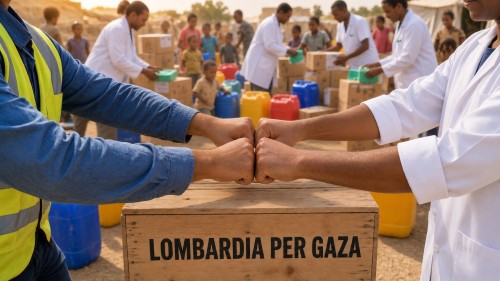
Gaza, dalla Lombardia altri 150mila euro per acqua e assistenza agli sfollati
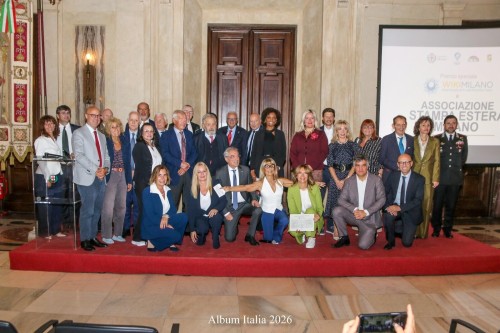
Milano premia i suoi protagonisti: a Palazzo Marino otto “Volti della Metropoli” che raccontano il futuro della città

Premio Volti della Metropoli: a Palazzo Marino i riconoscimenti alla VI edizione